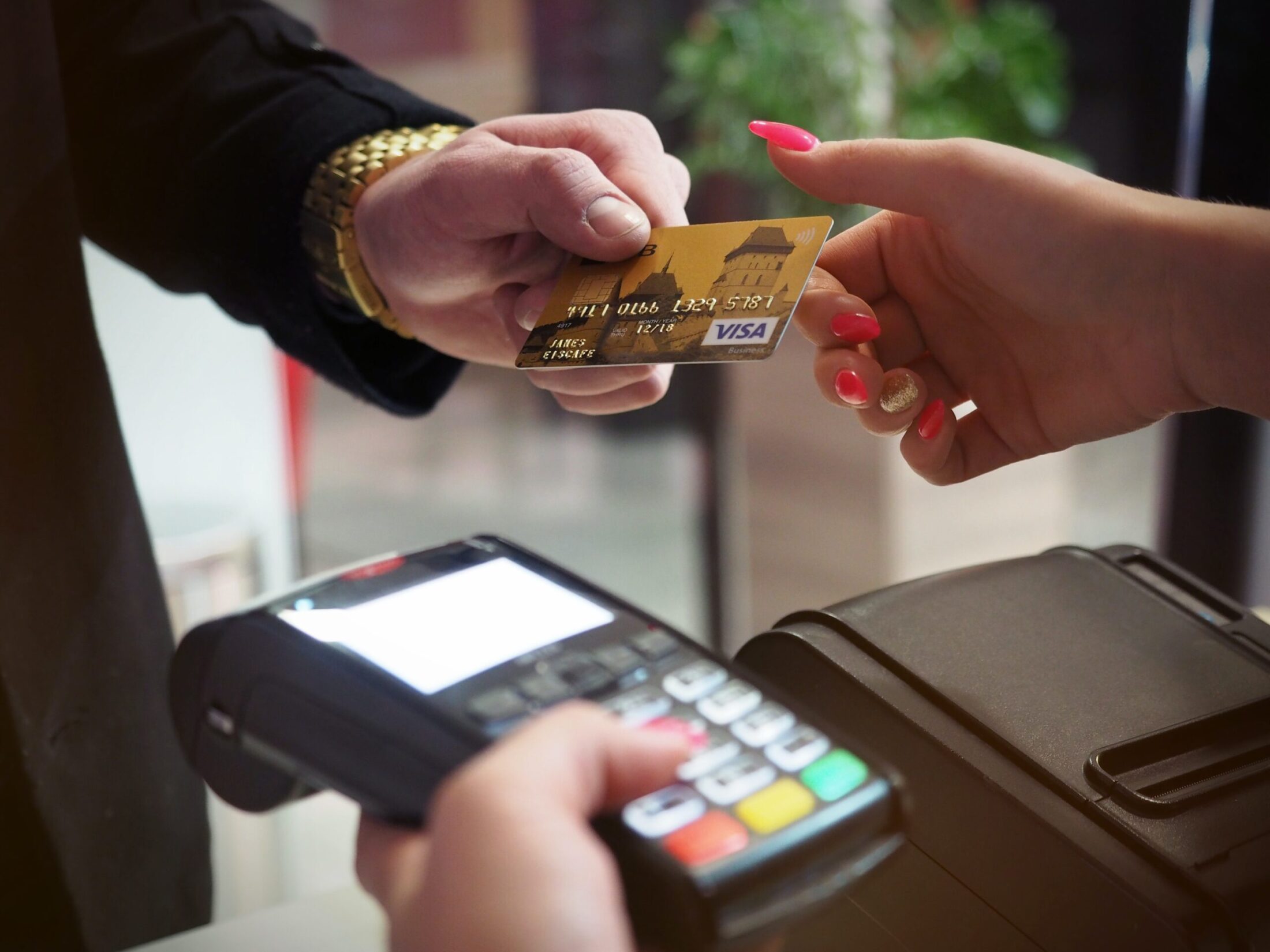
Build Credit with Credit Card
Your credit score is an important factor that determines your creditworthiness and financial health. It is a three-digit number that ranges from 300 to 850 and is based on your credit history, payment history, outstanding debt, credit utilization, and other factors. A higher credit score indicates that you are a responsible borrower and are more likely to be approved for loans and credit cards with favorable terms and lower interest rates.
One of the most effective ways to build or improve your credit score is by using a credit card responsibly. Here are some tips on how to do it:
Choose the Right Credit Card
Choosing the right credit card is essential to building a good credit score. Look for a credit card that has no annual fee, a low-interest rate, and rewards or cashback on purchases. Make sure the credit card you choose reports to all three credit bureaus (Equifax, Experian, and TransUnion), as this will ensure that your credit history is accurately reflected in your credit report.
Use Your Credit Card Responsibly
Using your credit card responsibly is key to building a good credit score. Only charge what you can afford to pay back each month, and avoid carrying a balance from one month to the next. This will help you avoid interest charges and keep your credit utilization low, which is a factor that impacts your credit score. Aim to keep your credit utilization below 30% of your available credit limit.
Make Your Payments on Time
Making your credit card payments on time is critical to building a good credit score. Late payments can have a significant impact on your credit score and can stay on your credit report for up to seven years. Set up automatic payments or reminders to ensure that you never miss a payment.
Keep Your Credit Card Account Open
Keeping your credit card account open is another way to build a good credit score. The length of your credit history is a factor that impacts your credit score, so the longer you have a credit card account, the better it is for your credit score. Additionally, closing a credit card account can increase your credit utilization, which can negatively impact your credit score.
Monitor Your Credit Score
Monitoring your credit score is essential to building a good credit score. Keep an eye on your credit report for any errors or inaccuracies that could be negatively impacting your credit score. You are entitled to a free credit report from each of the three credit bureaus once a year. You can also sign up for credit monitoring services to receive alerts when there are changes to your credit score or credit report.
Factors That Impact Your Credit Score
Your credit score is based on a number of factors, including:
Payment History
Your payment history is the most significant factor that impacts your credit score. Making your payments on time and in full is essential to maintaining a good credit score.
Credit Utilization
Credit utilization is the amount of credit you are using compared to the amount of credit you have available. Keeping your credit utilization low can positively impact your credit score.
Length of Credit History
The length of your credit history is a factor that impacts your credit score. The longer you have a credit account, the better it is for your credit score.
New Credit
Opening new credit accounts can negatively impact your credit score, as it can indicate that you are taking on more debt.
Types of Credit
Having a mix of different types of credit, such as credit cards, auto loans, and mortgages, can positively impact your credit score.
Building a good credit score takes time and effort, but it is an essential part of maintaining good financial health. Using a credit card responsibly is one of the most effective ways to build or improve your credit score. Choose the right credit card, use it responsibly, make.